Why Raccoons Tear Into Soffits, Fascia, and Roof Edges
People searching for raccoon removal often want to stop raccoons from tearing into soffits, fascia, and roof edges, and local service providers can help with effective exclusion and removal.
If you're noticing raccoons tearing into soffits, fascia, or roof edges, you're not alone-many property owners in the area encounter this issue. Raccoons are naturally curious and resourceful animals that often see these parts of a home as opportunities for shelter or food access. Understanding why they target these areas can help you identify potential vulnerabilities in your property and prevent further damage or unwanted animal visits. Exploring this topic can also shed light on how professional raccoon removal services can effectively address these intrusions and protect your home’s structure.
Property owners might find it practical to learn about raccoon behavior in relation to roof edges because it can prevent costly repairs and reduce the risk of pests gaining entry to the attic or other parts of the home. Local contractors experienced in raccoon removal are equipped to handle these situations safely and efficiently, ensuring that raccoons are removed and your property is secured against future visits. Keep reading to discover more about the reasons raccoons tear into these areas and how trusted service providers can help maintain the integrity of your home.
- Raccoon Removal - Homeowners noticing raccoons tearing into soffits, fascia, or roof edges can rely on local contractors to safely remove the animals and assess damage.
- Raccoon Damage Repair - When raccoons cause damage to roof edges or fascia, local service providers can repair and reinforce these areas to prevent future incursions.
- Wildlife Exclusion - If raccoons are getting into roof edges, local pros can install exclusion barriers to block access and protect the property from repeated visits.
- Soffit and Fascia Replacement - Raccoon activity often damages these components, and local contractors can replace or reinforce soffits and fascia to restore structural integrity.
- Roof Edge Protection - To prevent raccoons from tearing into roof edges, local service providers can install protective measures that deter wildlife from causing further damage.
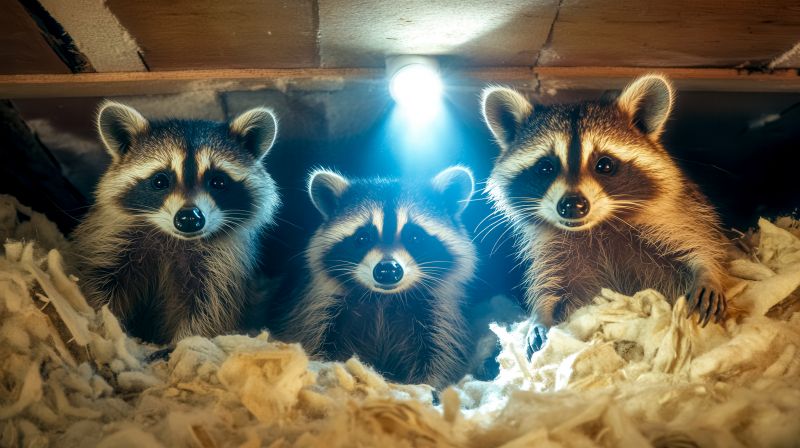
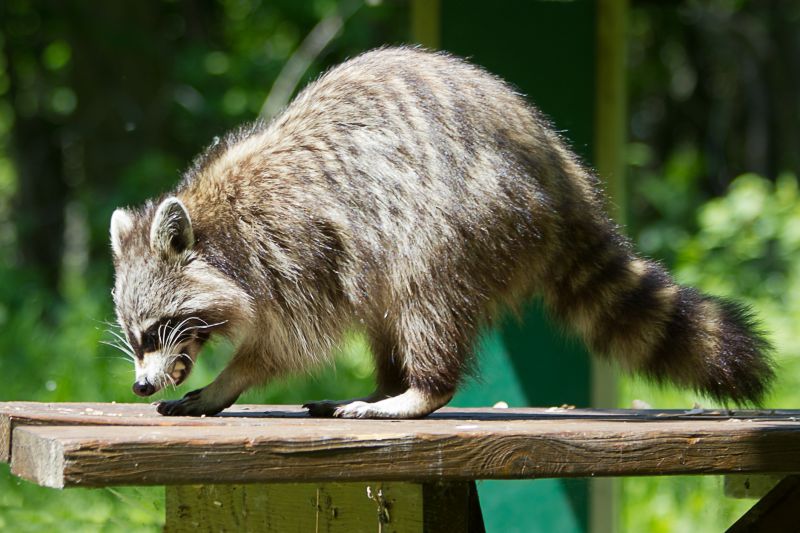
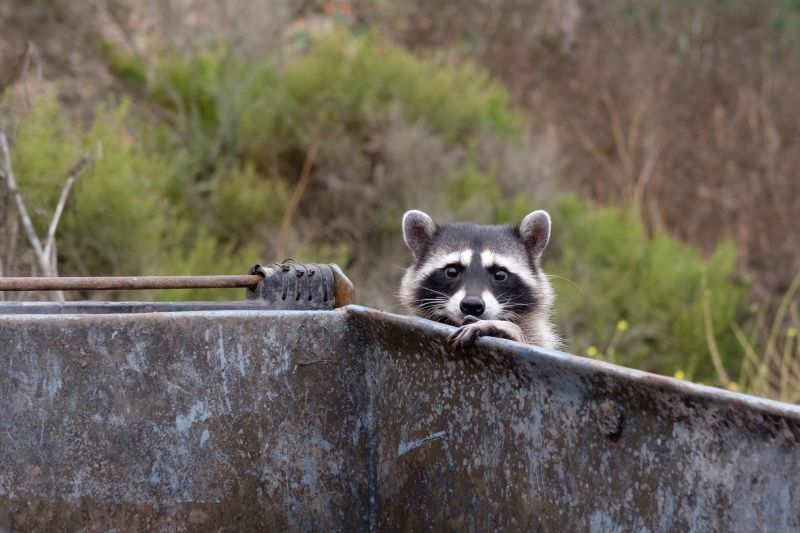
When homeowners search for why raccoons tear into soffits, fascia, and roof edges, they are often trying to understand the reasons behind raccoon damage around their properties. This behavior typically indicates that raccoons are seeking access to the attic or roof space, either to find shelter, raise their young, or search for food. Raccoons are known for their dexterity and curiosity, which can lead them to investigate small openings or weak spots in the roofline. Understanding these motivations helps homeowners recognize the importance of addressing raccoon activity early, before the animals cause significant structural damage or create a safety hazard.
The problems associated with raccoons tearing into roof edges often relate to property damage and potential health risks. When raccoons gnaw on soffits and fascia, they can create entry points that allow more animals or pests to invade the attic or crawl space. This can lead to insulation contamination, wiring damage, and even compromised roof integrity. For homeowners planning to repair or reinforce their roof edges, it’s important to consider the presence of raccoons and how their activity might be contributing to ongoing issues. Local service providers specializing in raccoon removal can help evaluate the situation and implement humane exclusion methods to prevent future damage.
These issues tend to be most common on residential properties, especially older homes with less secure roof edges or poorly maintained soffits and fascia. Raccoons are opportunistic and tend to target structures that provide easy access to food or shelter. Suburban neighborhoods, rural properties, and homes near wooded areas often see higher incidences of raccoon activity because of the proximity to natural food sources and cover. In addition, properties with open or damaged roof edges, missing or loose soffits, and weak fascia boards are more vulnerable. Engaging local contractors experienced in raccoon exclusion can help secure these vulnerable areas and protect the home from further intrusion.
Understanding why raccoons tear into soffits, fascia, and roof edges makes it clear how important it is to address these behaviors promptly. When raccoons are actively tearing into these parts of a property, it signals a need for professional intervention to remove the animals and repair the structural vulnerabilities. Local pros who specialize in raccoon removal are equipped to handle these situations safely and effectively. They can assess the damage, identify entry points, and implement exclusion strategies to keep raccoons out of the attic and roofline. This proactive approach helps safeguard the property, prevents further damage, and ensures that the home remains secure from these clever and persistent animals.
Gutter Repair and Installation - Professionals in gutter work understand how raccoons access roof edges and can help secure or replace damaged gutters to prevent entry points.
Roof Inspection and Repair - Local contractors skilled in roof assessments can identify vulnerabilities that raccoons exploit and recommend effective solutions.
Soffit and Fascia Replacement - Specialists in exterior trim work can replace or reinforce soffits and fascia to deter raccoon intrusion and damage.
Attic Ventilation Services - Experts in attic ventilation can ensure proper airflow while sealing potential raccoon entry points at roof edges.
Bird and Animal Proofing - Service providers experienced in animal-proofing can install barriers to keep raccoons from tearing into roof edges and soffits.
Roof Edge Repair - Local pros can repair or reinforce roof edges to eliminate openings that raccoons use to access attics and roof spaces.
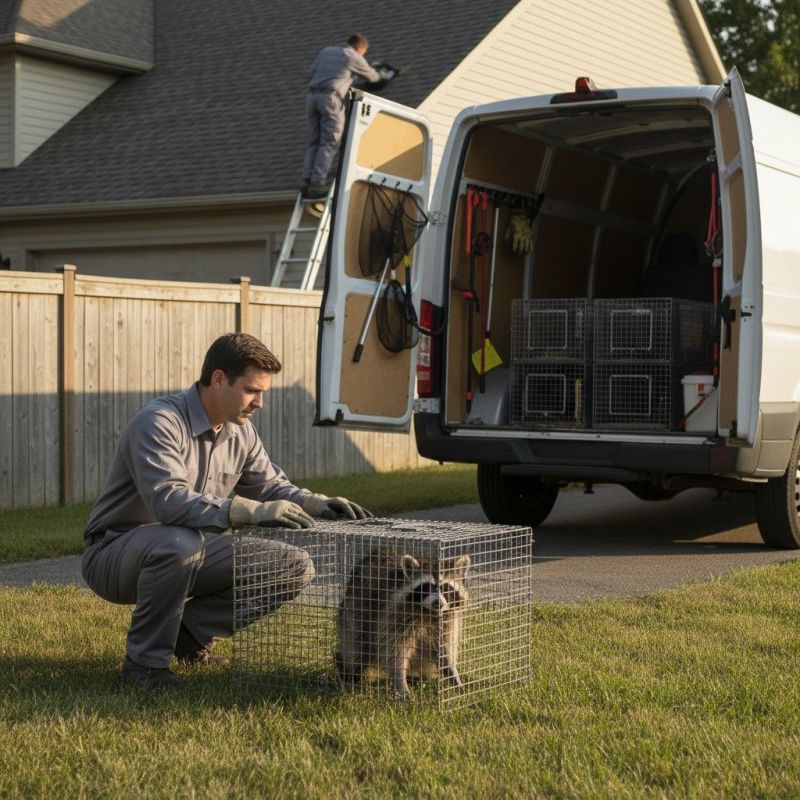
When evaluating local contractors for raccoon removal, it’s important to consider their experience with similar projects, particularly those involving roof edges, soffits, and fascia. A service provider with a proven track record in handling wildlife-related property issues will better understand the common entry points raccoons use and the most effective methods to prevent future intrusions. Asking about past work related to raccoon damage or removal can help gauge their familiarity with the specific challenges posed by raccoons tearing into soffits and fascia, ensuring that the contractor has relevant hands-on experience.
Clear written expectations are essential when choosing a service provider. Homeowners should look for professionals who can provide detailed descriptions of the removal process, including how they plan to address raccoon entry points and repair any damage to roof edges or soffits. This clarity helps prevent misunderstandings and ensures that both parties are aligned on the scope of work. Well-documented plans also serve as a reference for what will be done to keep raccoons out in the future, which is crucial for long-term protection of the home’s roofline.
Reputable references and effective communication are key indicators of a trustworthy local contractor. Homeowners should seek out service providers who can share references or reviews from previous clients who had similar issues. Good communication throughout the process-such as timely updates, clear explanations of recommended repairs, and responsiveness to questions-can greatly influence the overall experience. When a contractor demonstrates professionalism and transparency, it increases confidence that they will handle the raccoon removal and property repairs thoroughly, reducing the likelihood of recurring issues with raccoons tearing into soffits, fascia, and roof edges.
Property owners often search for why raccoons tear into soffits, fascia, and roof edges when they are planning practical projects around their homes and businesses. Local pros provide Raccoon Removal services for everyday jobs and straightforward project options.
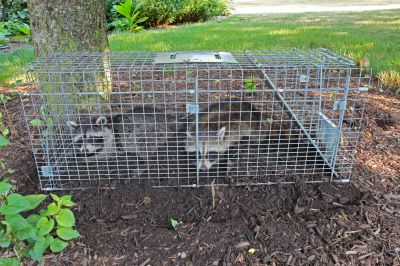
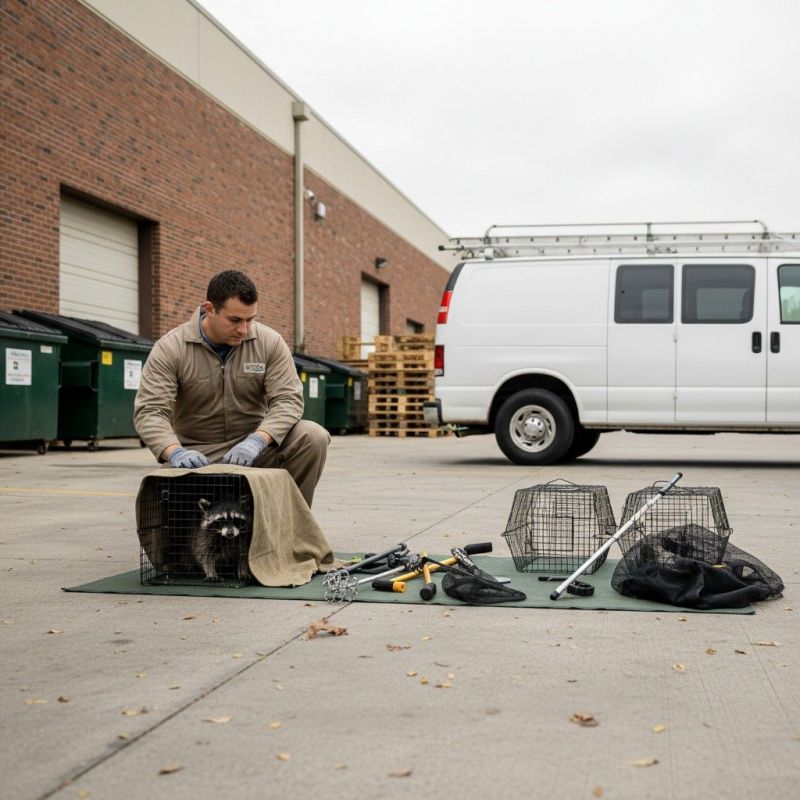
Understanding why raccoons tear into soffits, fascia, and roof edges can help property owners recognize early signs of intrusion and prevent further damage. Raccoons are naturally curious animals that often seek shelter or easy access to attics and roof spaces, especially if they notice gaps or vulnerabilities in the exterior. These animals may also be attracted to the warmth and safety that roof edges provide, prompting them to claw or chew through materials like soffits and fascia to gain entry. Property owners in the area who notice signs of tearing or damage may consider reaching out to local contractors experienced in raccoon removal and property repair to address the issue effectively.
In many cases, raccoons tearing into roof edges is a sign of an existing entry point or a potential vulnerability that needs attention. These animals are adept at squeezing through small openings and can cause significant damage while searching for a secure nesting spot. Property owners who observe damage or suspect raccoon activity should consider consulting with local service providers specializing in wildlife exclusion and removal. These professionals can assess the situation, identify entry points, and recommend solutions to prevent raccoons from causing further harm to the roof structure or attic space.
Why do raccoons tear into soffits, fascia, and roof edges? Raccoons often target these areas because they seek easy access to attics and roof spaces for shelter and nesting, especially if the materials are damaged or provide entry points.
How can local contractors help prevent raccoons from tearing into roof edges? Local service providers can inspect and repair damaged soffits, fascia, and roof edges to eliminate entry points and make the area less attractive to raccoons.
What signs indicate raccoons are tearing into roof components? Common signs include visible damage to soffits and fascia, disturbed insulation, raccoon tracks, or sounds of animals moving inside the roof space.
Are there specific materials that raccoons prefer to tear into? Raccoons tend to target softer, damaged, or loose materials, but they can also chew through more durable materials if they are seeking entry or nesting sites.
Why is it important to address raccoon damage to roof edges promptly? Prompt action helps prevent further damage, reduces the risk of raccoons entering the home, and protects the structural integrity of the roof and attic space.
Identify vulnerable areas - Property owners can inspect soffits, fascia, and roof edges regularly to spot damage or entry points that attract raccoons, and then seek help from local contractors to repair or reinforce these areas.
Seal entry points - Recognizing how raccoons tear into roof edges helps owners understand the importance of sealing gaps and openings with the assistance of local service providers to prevent future intrusions.
Install deterrents - Understanding raccoon behavior around roof edges encourages property owners to consider deterrent solutions, with local pros able to advise on effective methods to keep raccoons away.
Schedule professional removal - Knowing why raccoons target soffits and fascia emphasizes the need for expert removal services to safely remove raccoons and secure vulnerable roof areas.
If you are thinking about why raccoons tear into soffits, fascia, and roof edges for a property, this guide is meant to help you understand this topic, the typical project types, and how different options might fit your plans.
When you are ready, you can use the quote form on this page to share a few details about your project. From there, local pros can review the basics and follow up with options that match what you have in mind.