Why Raccoons Target Garbage Areas and Move Into Nearby Homes
People searching for raccoon removal are often trying to prevent raccoons from entering homes after being attracted to garbage, and local service providers can safely handle these issues.
Understanding why raccoons target garbage areas and move into nearby homes can help property owners better address these common wildlife challenges. Raccoons are highly adaptable creatures that seek out easily accessible food sources, making unsecured trash bins an attractive target. Once they discover a reliable food supply, they may begin exploring the surrounding environment, eventually venturing into homes in search of shelter or additional resources. Recognizing these behaviors is an important step in preventing unwanted raccoon visits and safeguarding property.
For those dealing with raccoon activity near their homes, connecting with experienced local contractors who specialize in raccoon removal can provide practical solutions. These professionals understand raccoon habits and can help implement effective measures to secure trash areas and seal entry points, reducing the likelihood of future encounters. Exploring options for safe and humane raccoon removal can help property owners protect their homes and maintain peace of mind, making it easier to address the root causes of raccoon attraction and movement.
- Raccoon Removal - homeowners noticing raccoons in their yards or near trash cans can rely on local contractors to safely remove the animals and secure entry points.
- Garbage Area Cleanup - when raccoons are attracted to cluttered or unsecured trash areas, local pros can help clean and secure these spaces to prevent future visits.
- Home Entry Prevention - if raccoons are moving into nearby homes, service providers can identify and seal potential entry points to keep animals out.
- Wildlife Exclusion - properties experiencing repeated raccoon intrusions benefit from exclusion services that block access to attics and crawl spaces.
- Habitat Modification - local contractors can advise on changes to yard and property features that reduce raccoon attractants and discourage them from targeting the area.
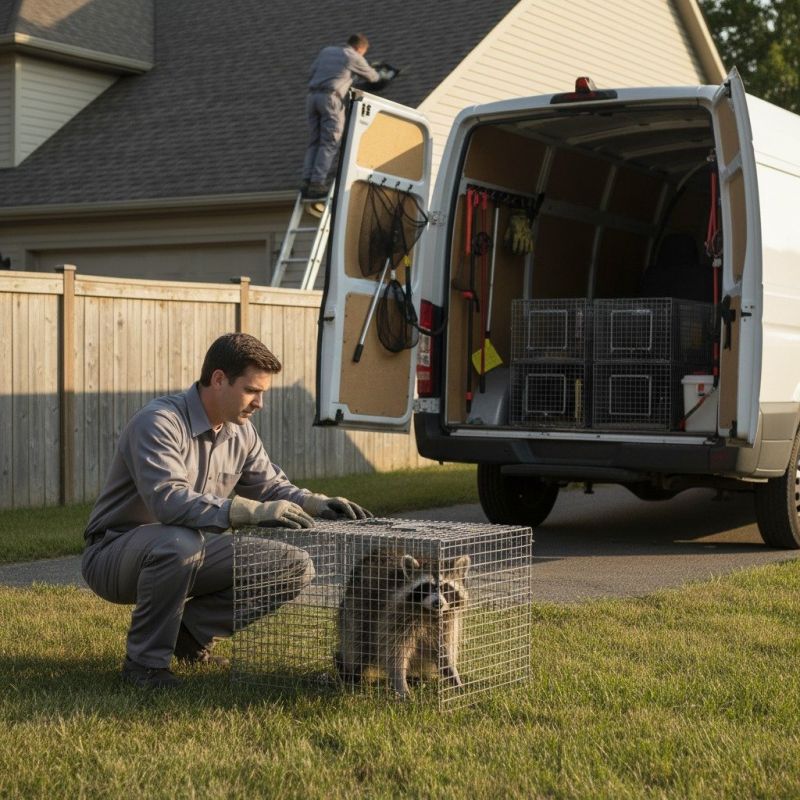
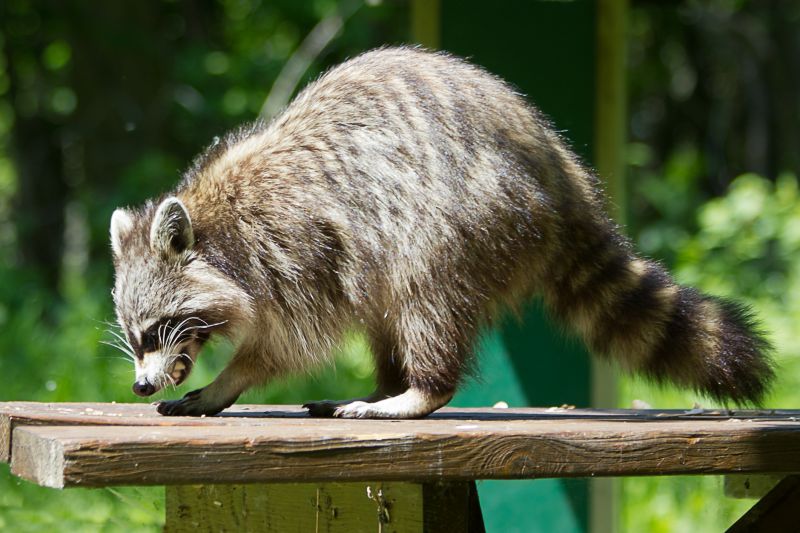

Understanding why raccoons target garbage areas and move into nearby homes is a common concern among homeowners dealing with nuisance wildlife. When people search for this topic, they are often looking to understand raccoon behavior and what attracts these animals to residential neighborhoods. Many homeowners notice raccoons rummaging through trash cans or dumpsters, especially during nighttime hours, and want to know what makes their property appealing. This curiosity can stem from ongoing problems with raccoons tearing into garbage or even causing damage inside homes, prompting residents to seek solutions that prevent future encounters. Recognizing the reasons behind raccoon activity helps homeowners develop effective strategies to discourage these animals from becoming persistent pests.
The concerns related to raccoons targeting garbage and invading homes often tie into broader plans for property protection and wildlife management. Homeowners may be interested in learning how to secure trash containers, eliminate attractants, or repair entry points that allow raccoons access to attics, basements, or crawl spaces. These issues are especially relevant for those who want to prevent property damage, protect pets, or avoid health risks associated with raccoon droppings and germs. Addressing these problems typically involves working with local contractors who specialize in raccoon removal and exclusion, ensuring that the animals are safely removed and that entry points are sealed to prevent future visits.
Certain types of properties are more prone to raccoon activity, especially those that provide easy access to food sources or shelter. Residential homes with accessible garbage areas, poorly secured trash cans, or outdoor storage spaces often attract raccoons. Properties near wooded areas, parks, or water sources tend to experience higher raccoon activity because these animals naturally seek out food and shelter in such environments. Homeowners with outdoor decks, sheds, or unsealed attics may also encounter raccoons that move into the structure seeking a safe place to nest or rest. Understanding these property characteristics can help residents identify vulnerabilities and work with service providers to implement effective exclusion measures.
Local raccoon removal professionals play a crucial role in helping homeowners address these issues. They can assess property conditions to identify attractants and entry points, then develop tailored plans to remove raccoons safely and prevent future problems. These experts often provide services such as trapping, habitat modification, and sealing of entryways, which are essential steps in managing raccoon activity. By working with experienced service providers, homeowners can better protect their property, reduce the risk of damage, and minimize ongoing conflicts with raccoons. Connecting with reputable local contractors ensures that the problem is handled efficiently and in a way that aligns with the homeowner’s goals for a raccoon-free property.
Wildlife exclusion projects involve sealing entry points and securing structures, skills that are essential for addressing why raccoons target garbage areas and move into nearby homes.
Home inspection services help identify vulnerabilities in property defenses that attract raccoons, providing insights for local contractors specializing in raccoon prevention.
Garbage area management consulting focuses on proper waste storage and disposal practices, which are key factors in raccoon activity around homes and neighborhoods.
Structural repair and reinforcement projects involve fixing damaged areas that raccoons exploit, aligning with efforts to prevent them from moving into nearby residences.
Neighborhood wildlife management plans assist communities in implementing strategies to reduce raccoon attraction to trash and residential areas.
Habitat modification services include altering landscaping and outdoor environments to make properties less appealing to raccoons, supporting efforts to deter them from homes.
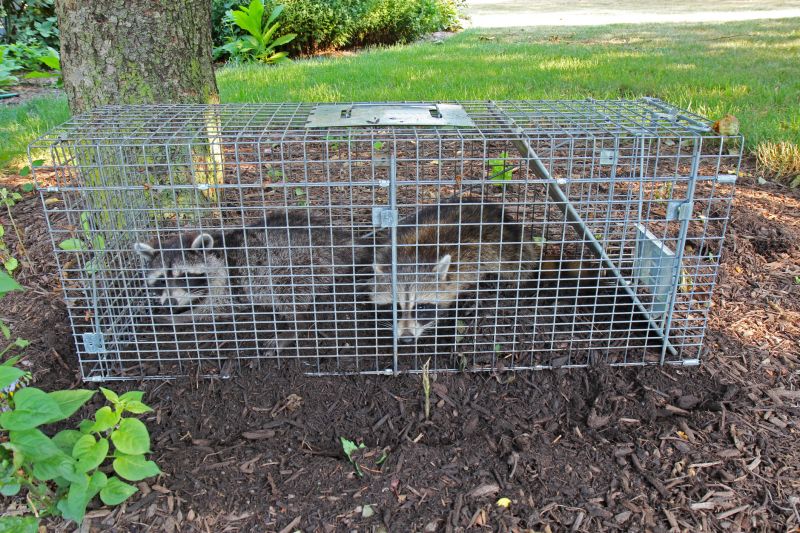
When comparing service providers for raccoon removal, it’s important to consider their experience with similar projects. A contractor who has handled raccoon-related issues in residential settings will be familiar with common attractants, such as accessible garbage areas, and understand effective strategies to address them. This background can help ensure that the removal process is thorough and tailored to the specific circumstances of the property, reducing the likelihood of future visits by raccoons. Homeowners should inquire about the contractor’s history with raccoon removals to gauge their familiarity with the challenges involved and their ability to implement appropriate solutions.
Clear written expectations are essential when evaluating potential service providers. A reputable contractor should be able to outline the scope of work, including inspection procedures, removal methods, and any follow-up actions. This transparency helps homeowners understand what to expect and ensures that all parties are aligned on the process. When reviewing proposals or estimates, it’s beneficial to look for detailed descriptions of the services offered, which can help prevent misunderstandings and provide confidence that the raccoon problem will be addressed comprehensively.
Good communication and reputable references are key factors in selecting a reliable service provider. Contractors who are responsive and willing to answer questions demonstrate professionalism and a commitment to customer service. Additionally, seeking references or reviews from previous clients can offer insights into the contractor’s track record with raccoon removal projects. This feedback can reveal how effectively they handle the job, their level of professionalism, and their ability to keep homeowners informed throughout the process. Choosing a contractor with strong communication skills and positive references can lead to a smoother experience and more successful resolution of raccoon-related issues.
Property owners often search for why raccoons target garbage areas and move into nearby homes when they are planning practical projects around their homes and businesses. Local pros provide Raccoon Removal services for everyday jobs and straightforward project options.
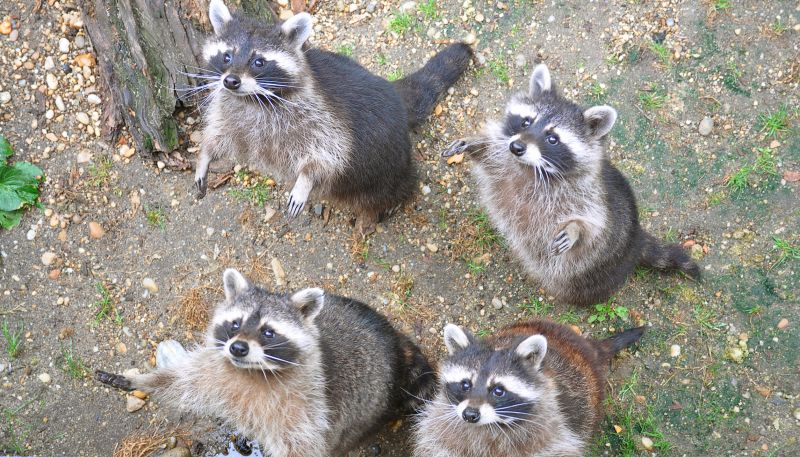
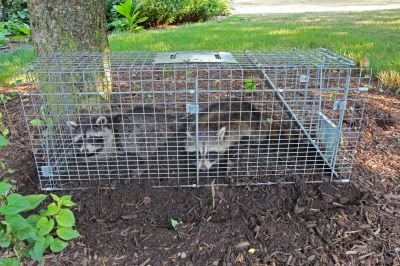
Raccoons are naturally attracted to areas where food is easily accessible, making garbage areas a prime target for foraging. When trash bins are left outside or not securely covered, they provide a convenient food source that draws raccoons closer to residential neighborhoods. Property owners noticing raccoons rummaging through trash or scavenging near their homes often seek out local contractors who specialize in raccoon removal to address the issue and prevent further visits.
Once raccoons find a reliable food source nearby, they may start exploring other parts of the property, including attics, garages, or sheds, in search of shelter or additional resources. This behavior can lead to raccoons moving into homes or structures, creating potential concerns for property damage and health risks. Individuals experiencing these situations are encouraged to connect with local service providers experienced in raccoon removal, who can help eliminate these animals and implement measures to keep them from returning.
Why do raccoons target garbage areas? Raccoons are attracted to accessible food sources, and garbage areas often contain leftover food and waste that appeal to them. Local contractors can help secure trash containers and remove attractants to prevent raccoon visits.
How do raccoons move into nearby homes? Raccoons may enter homes through openings in roofs, vents, or damaged siding when they are drawn by easy food sources or shelter. Experienced service providers can identify and seal entry points to keep raccoons out.
What attracts raccoons to garbage areas in the first place? Raccoons are opportunistic feeders that seek out easily accessible food, such as uncovered trash or pet food left outside. Local pros can advise on proper waste management to reduce raccoon attraction.
Can removing garbage prevent raccoons from moving into homes? Yes, eliminating attractants like unsecured trash can significantly reduce raccoon activity near homes. Professional removal services can assist with securing waste and raccoon-proofing property access points.
What signs indicate raccoons have moved into a home? Common signs include scratching or scuffling sounds in the attic or walls, visible droppings, or damaged insulation. Local contractors experienced in raccoon removal can assess and address these issues effectively.
Secure garbage areas - property owners can implement proper trash storage solutions to make areas less attractive to raccoons and reduce their interest in nearby homes.
Install raccoon-proof barriers - adding fencing or enclosures around trash cans and entry points can help prevent raccoons from accessing food sources and entering homes.
Eliminate attractants - removing leftover food, pet dishes, and compost from yard spaces can discourage raccoons from targeting these areas and moving closer to residences.
Schedule professional removal services - consulting with local contractors can assist in safely removing raccoons and securing property access points to prevent future visits.
If you are thinking about why raccoons target garbage areas and move into nearby homes for a property, this guide is meant to help you understand this topic, the typical project types, and how different options might fit your plans.
When you are ready, you can use the quote form on this page to share a few details about your project. From there, local pros can review the basics and follow up with options that match what you have in mind.