Common Entry Points Raccoons Use to Access Buildings
People seeking raccoon removal often want to identify and seal common entry points raccoons use to access buildings, and local service providers can help safely eliminate these pests and secure access points.
Understanding common entry points raccoons use to access buildings can be crucial for property owners in the area. Raccoons are resourceful creatures that often exploit small openings, damaged vents, or unsealed gaps in roofing and siding to gain access to attics, crawl spaces, and other hidden areas. Recognizing these vulnerabilities helps property owners take proactive steps to secure their buildings, reducing the likelihood of unwanted raccoon visits and potential damage. Exploring this topic can also highlight the importance of professional raccoon removal services, as experienced local contractors can effectively identify and seal these entry points to prevent future intrusions.
For those concerned about raccoons accessing their properties, knowing the common entry points can be a practical first step toward safeguarding their buildings. Local service providers specializing in raccoon removal can assess the property, pinpoint the specific entry points, and implement effective exclusion methods. Connecting with knowledgeable professionals ensures that all potential access points are addressed thoroughly, helping to protect the property from raccoon-related issues. Keep reading to learn more about how these entry points develop and how local experts can assist with safe, humane removal and exclusion strategies.
- Attic entries - homeowners noticing raccoons in the attic may need professionals to identify and seal potential entry points such as vents or gaps.
- Chimney openings - if raccoons are found entering through chimneys, local contractors can install chimney caps or blockages to prevent access.
- Vents and exhausts - service providers can inspect and secure vents that raccoons commonly use to gain entry into buildings.
- Roofline gaps - when raccoons access roofs via damaged or unsealed eaves and soffits, local pros can perform repairs to close these entry points.
- Foundation and basement cracks - experts can identify and seal cracks around foundations that raccoons may exploit to enter structures.
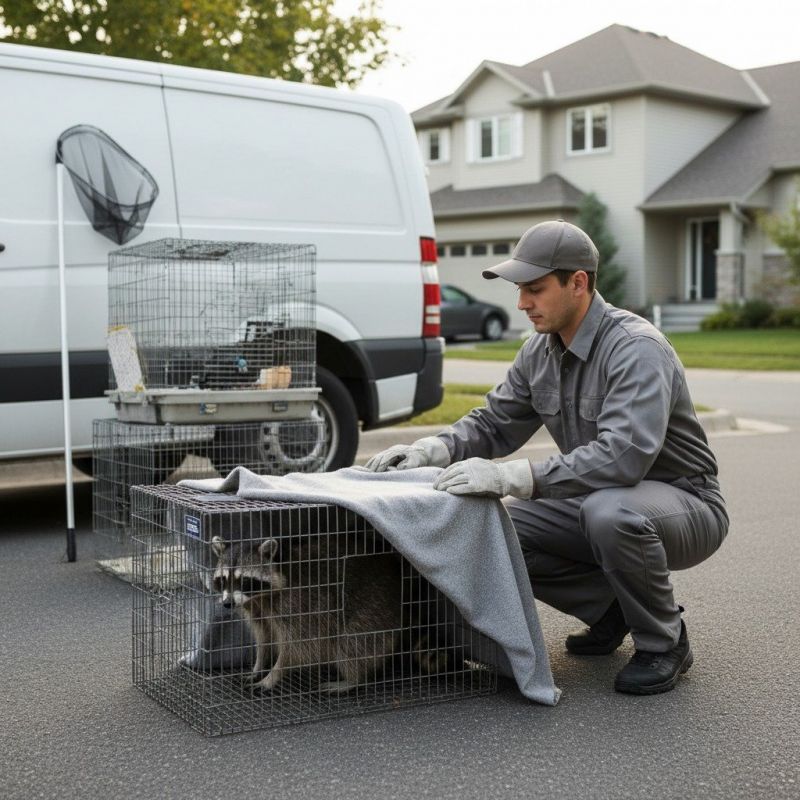
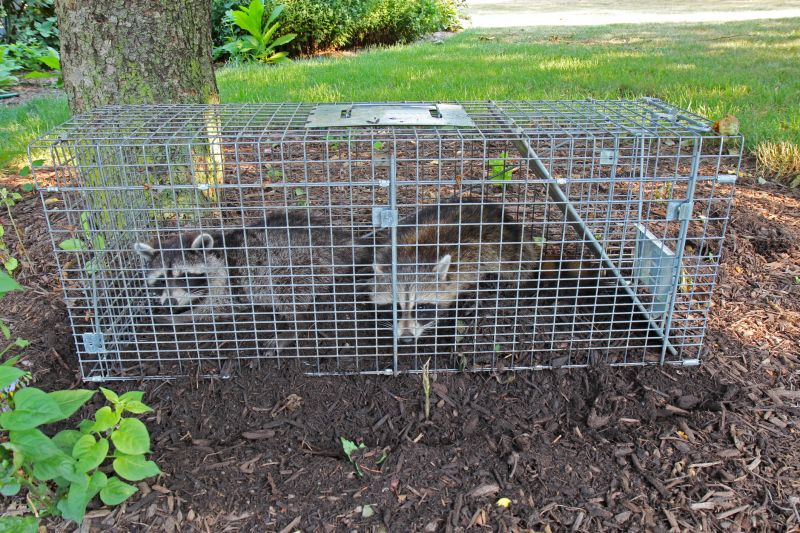
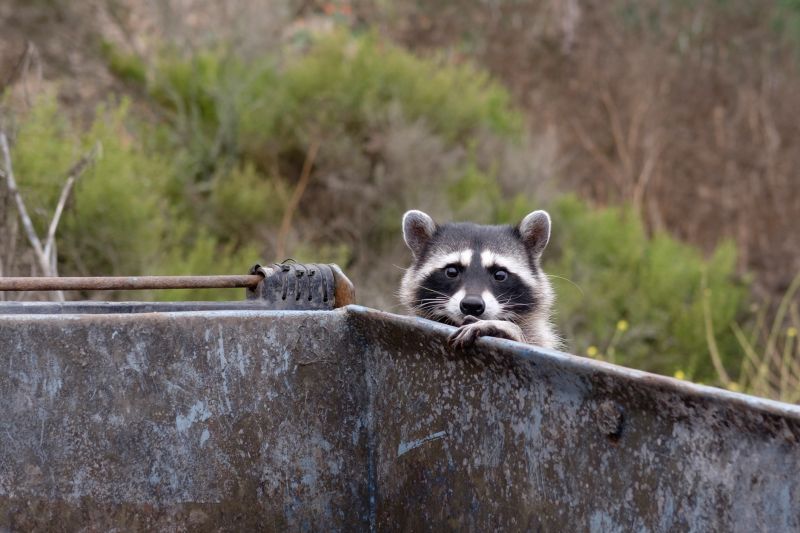
When homeowners search for information about common entry points raccoons use to access buildings, they are often trying to understand how these clever animals manage to find their way inside. Raccoons are known for their adaptability and resourcefulness, which makes them capable of exploiting even small openings in structures. People typically want to identify how raccoons are gaining entry so they can prevent future problems, protect their property, and ensure the safety of their household. This search phrase is often linked to concerns about raccoon infestations, property damage, or the need for professional removal and exclusion services.
The issues related to raccoon entry points often involve property owners noticing signs of raccoon activity, such as noises in the attic, damage to vents or soffits, or visible openings around the foundation. Homeowners may plan to seal or repair these entry points to prevent re-entry once raccoons are removed. Local service providers specializing in raccoon removal and exclusion are typically called in to assess the property, identify the specific access points, and implement effective barriers. These professionals help ensure that all potential entry points are properly sealed, reducing the chance of future raccoon visits and protecting the property from ongoing damage.
Properties that are most commonly affected include residential homes, especially those with attics, basements, or crawl spaces, as well as barns, sheds, and other outbuildings. Older buildings with deteriorated siding, vents, or rooflines tend to be more vulnerable to raccoon entry. Additionally, properties near wooded areas or water sources often see higher raccoon activity, making them more susceptible to access points. Homeowners with gaps around vents, damaged soffits, or unsealed chimneys may find raccoons exploiting these openings. Recognizing these common entry points helps property owners understand where to look for signs of raccoon activity and how local pros can assist in securing their buildings.
Understanding the common entry points raccoons use to access buildings is crucial for effective prevention and removal efforts. These animals are skilled at finding small openings that may seem insignificant but provide easy access to attics, crawl spaces, or other sheltered areas. Local contractors experienced in raccoon exclusion can evaluate the property, identify these vulnerable spots, and recommend appropriate sealing solutions. By addressing these entry points, homeowners can better protect their property from unwanted raccoon visits, damage, and potential health concerns. Connecting with local service providers ensures that the problem is handled professionally and thoroughly, helping to keep raccoons outside where they belong.
Home inspection projects - professionals assess buildings for potential entry points raccoons might use, helping to identify vulnerabilities before wildlife intrusion occurs.
Building sealing and weatherproofing - contractors focus on sealing gaps and cracks that serve as entry points, preventing raccoons from gaining access to structures.
Roof repair and maintenance - specialists address roof vulnerabilities such as broken shingles or damaged flashing that raccoons often exploit to enter buildings.
Attic insulation and ventilation projects - service providers improve attic access points and ensure proper sealing to deter raccoons from nesting inside structures.
Gutter and downspout installation - experts install or repair gutters to prevent raccoons from climbing and accessing roofs or upper levels of buildings.
Structural reinforcement services - contractors strengthen weak points around foundations and walls that raccoons may use as entry points to access interiors.
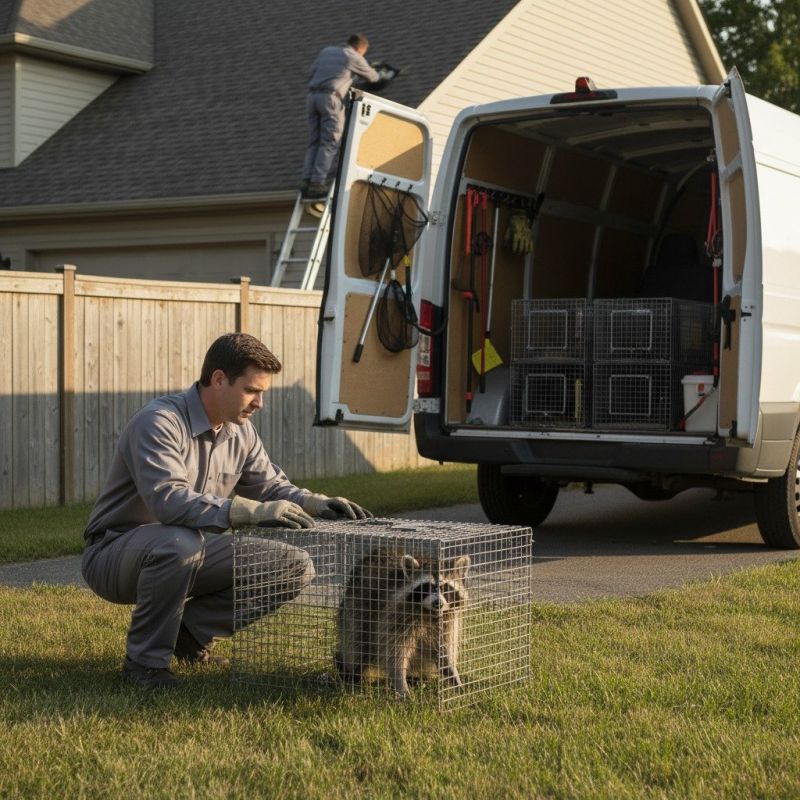
When comparing service providers for raccoon removal, it is important to consider their experience with similar projects, particularly those involving common entry points raccoons use to access buildings. An experienced contractor will have a clear understanding of how raccoons typically gain entry, such as through roof vents, chimneys, or gaps in soffits, and will know the most effective methods to address these vulnerabilities. Verifying a contractor’s background with previous raccoon exclusion or removal projects can provide insight into their familiarity with these specific entry points and their ability to handle the unique challenges they present.
Clarity in written expectations is another key factor when evaluating local contractors. A reputable service provider should be able to outline what their process will involve, including inspection, exclusion techniques, and follow-up measures. This transparency helps ensure that both parties are aligned on the scope of work and the methods used to prevent raccoons from re-entering. Clear communication about what to expect during the project can also minimize misunderstandings and ensure that the work addresses all potential entry points effectively.
Reputable references and good communication are essential when selecting a service provider for raccoon removal. Trusted contractors should be able to provide references from past clients who had similar issues, demonstrating their capability and reliability. Additionally, responsive and clear communication during the inquiry process indicates professionalism and a commitment to customer needs. Choosing a local contractor who prioritizes open dialogue and can demonstrate experience with common entry points raccoons use to access buildings can lead to a more successful and satisfactory removal process.
Property owners often search for common entry points raccoons use to access buildings when they are planning practical projects around their homes and businesses. Local pros provide Raccoon Removal services for everyday jobs and straightforward project options.
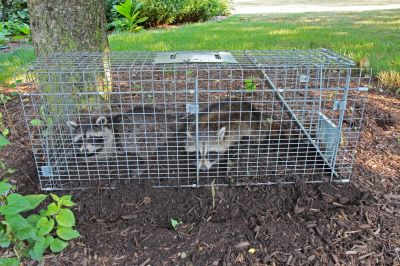

Understanding the common entry points raccoons use to access buildings can help property owners identify vulnerabilities around their properties. These animals are skilled at exploiting small openings, such as gaps around vents, chimneys, rooflines, and damaged soffits, to gain entry into attics, crawl spaces, or basements. Recognizing these typical access points is often the first step in preventing unwanted raccoon visits, especially in residential or commercial properties where these animals can cause damage or create health concerns.
Property owners in the area who notice signs of raccoons or suspect entry points may consider reaching out to local contractors experienced in raccoon removal. These service providers can assess a property for potential entry points and recommend effective exclusion methods. Engaging professionals ensures that any openings are properly sealed, reducing the likelihood of future raccoon intrusions and helping maintain the safety and integrity of the building.
What are common entry points raccoons use to access buildings? Raccoons often access buildings through roof vents, gaps in soffits, damaged fascia boards, open attic vents, and broken or loose shingles. Local contractors can identify and seal these entry points to prevent raccoon intrusions.
How do raccoons typically get into attics or upper floors? Raccoons usually enter through roof openings, such as damaged flashing or loose shingles, and can also use chimney gaps or unsecured vents. Raccoon removal services can help secure these access points effectively.
Are there specific areas around a building that raccoons prefer to use as entry points? Raccoons tend to favor roof eaves, soffits, and damaged roof vents as entry points. Local service providers can inspect these areas to identify and eliminate raccoon access routes.
Can raccoons enter buildings through basement or ground-level openings? While less common, raccoons may access buildings through broken basement windows, foundation cracks, or door gaps. Raccoon removal experts can assess and seal these potential ground-level entry points.
What steps can be taken to prevent raccoons from finding entry points in buildings? Regular inspection and maintenance of rooflines, sealing gaps, repairing damaged siding, and installing raccoon-proof vents are effective measures. Local pros can perform these updates to reduce entry opportunities for raccoons.
Identify structural vulnerabilities - property owners can inspect buildings for cracks, gaps, or damaged areas that raccoons might use as entry points and seek help from local contractors to seal them.
Secure access points on roofs and chimneys - ensuring that vents, chimney caps, and roof openings are properly closed or reinforced can prevent raccoons from gaining entry, with local pros providing necessary repairs.
Inspect and reinforce foundations and crawl spaces - checking for openings around basement vents, vents, or foundation walls allows property owners to work with service providers to block raccoon access.
Maintain landscaping and debris control - trimming overgrown bushes and removing clutter near buildings reduces hiding spots and access routes, while local contractors can assist with securing potential entry points.
If you are thinking about common entry points raccoons use to access buildings for a property, this guide is meant to help you understand this topic, the typical project types, and how different options might fit your plans.
When you are ready, you can use the quote form on this page to share a few details about your project. From there, local pros can review the basics and follow up with options that match what you have in mind.