Preventing Raccoon Damage to Roofs, Attics, and Siding
People seeking raccoon removal services are typically aiming to prevent raccoons from damaging roofs, attics, and siding, and local contractors can help by safely removing raccoons and securing your home.
Property owners in the area often face challenges with raccoons seeking shelter or food around their homes, which can lead to significant damage to roofs, attics, and siding. Understanding how to prevent raccoon damage to roofs, attics, and siding is essential for maintaining the integrity of a property and avoiding costly repairs. Many local contractors specialize in raccoon removal and exclusion techniques, offering practical solutions to keep these animals out of vulnerable spaces and protect your home’s exterior.
Exploring strategies for preventing raccoon damage to roofs, attics, and siding can also help homeowners identify early signs of intrusion and take proactive steps. Experienced service providers in the community can assess specific property risks and recommend effective methods to deter raccoons, ensuring your home remains safe and undamaged. Keep reading to learn more about how local experts can assist with raccoon prevention and removal, helping you safeguard your property from these persistent critters.
- Raccoon exclusion services - homeowners noticing raccoon activity near roofs or attics can rely on local contractors to install barriers that prevent raccoons from entering.
- Attic sealing and repair - when raccoons have caused damage or gained access, local service providers can secure attic vents and entry points to deter future visits.
- Siding reinforcement and patching - individuals observing raccoon damage to siding can work with local pros to repair and reinforce vulnerable areas.
- Roof inspection and reinforcement - signs of raccoon nesting or entry points on roofs prompt local contractors to assess and strengthen roofing components.
- Preventive barrier installation - those seeking to avoid raccoon damage to roofs, attics, and siding can have local experts install deterrent barriers around vulnerable areas.
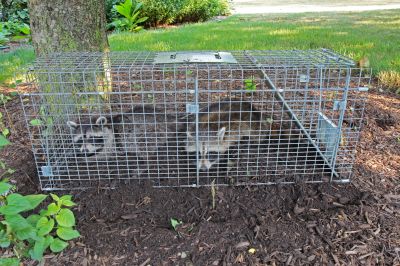
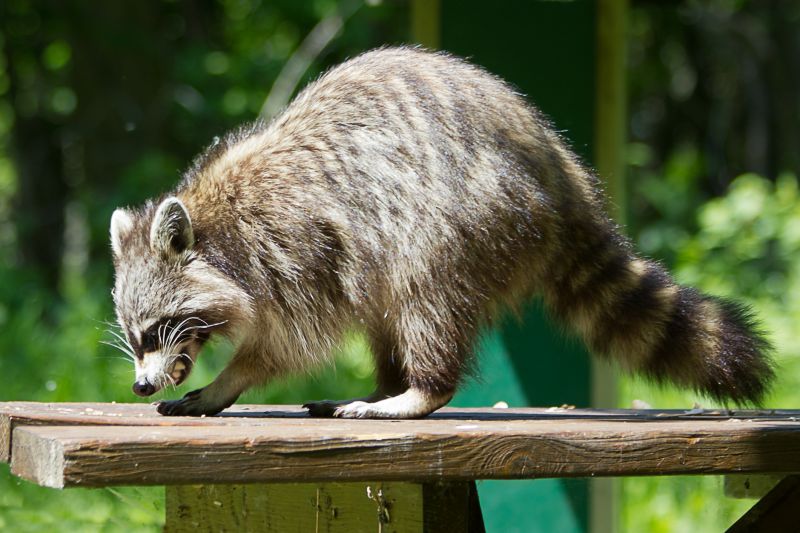
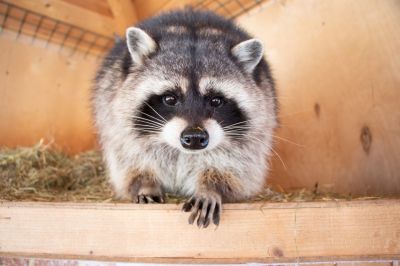
When people search for preventing raccoon damage to roofs, attics, and siding, they are often concerned about the safety and integrity of their homes. Raccoons are known to be clever and persistent pests that can cause significant harm if they gain access to a property’s roofline or attic spaces. Homeowners typically want to understand how raccoons might enter their homes, what signs indicate a raccoon presence, and what steps can be taken to keep these animals out before damage occurs. The focus is usually on protecting the structural elements of the house, preventing costly repairs, and avoiding the health risks associated with raccoon droppings and urine.
This topic relates closely to problems such as roof damage, attic contamination, and siding destruction. Raccoons often seek shelter in warm, quiet spaces, making attics and roof eaves prime targets. They may tear through roofing materials, pry open vents, or create entry points by gnawing on siding or fascia boards. Property owners might also be planning preventative measures, like installing barriers or sealing potential entry points, to avoid future issues. Many are interested in understanding how to identify vulnerable areas on their homes and what proactive steps can be taken to minimize the risk of raccoons causing damage.
The types of properties most often affected by raccoon activity include single-family homes, especially those with accessible roofs or poorly sealed attics. Residential buildings in suburban or rural areas tend to be more at risk, particularly if they are surrounded by trees or have nearby wooded areas. Homes with damaged or missing soffit panels, unsealed vents, or gaps in siding are common targets. Even some multi-unit dwellings or outbuildings like sheds can attract raccoons. Recognizing the property features that make a home susceptible can help homeowners take targeted preventative actions, often with assistance from local service providers specializing in raccoon removal and exclusion.
Engaging with local contractors who specialize in raccoon removal and prevention can be a practical step for homeowners looking to protect their properties. These service providers can assess the property for vulnerabilities, recommend effective exclusion methods, and install barriers or repairs to block raccoon entry points. Preventing raccoon damage to roofs, attics, and siding is not just about immediate removal but involves ongoing prevention strategies to ensure raccoons do not return. Connecting with experienced local pros helps homeowners implement lasting solutions that safeguard their homes from the costly and disruptive damage raccoons can cause.
Gutter Protection Installation - local contractors can help install gutter guards and barriers to prevent raccoons from accessing roof eaves and attics through clogged or open gutters.
Attic Insulation and Ventilation - experts can assess and improve attic ventilation systems to reduce raccoon entry points and discourage nesting in roof spaces.
Siding Repair and Reinforcement - service providers can repair and reinforce siding to eliminate gaps and weak spots that raccoons may exploit to gain access to roofs and attics.
Roof Repair and Damage Prevention - local pros can identify and fix roof vulnerabilities that raccoons might use to enter or cause damage to the structure.
Wildlife Exclusion Services - specialists can install exclusion devices and barriers to prevent raccoons from entering attics, roofs, and siding areas.
Bird and Rodent Proofing - contractors can implement measures to block entry points used by raccoons and other pests, protecting roofs and siding from damage.
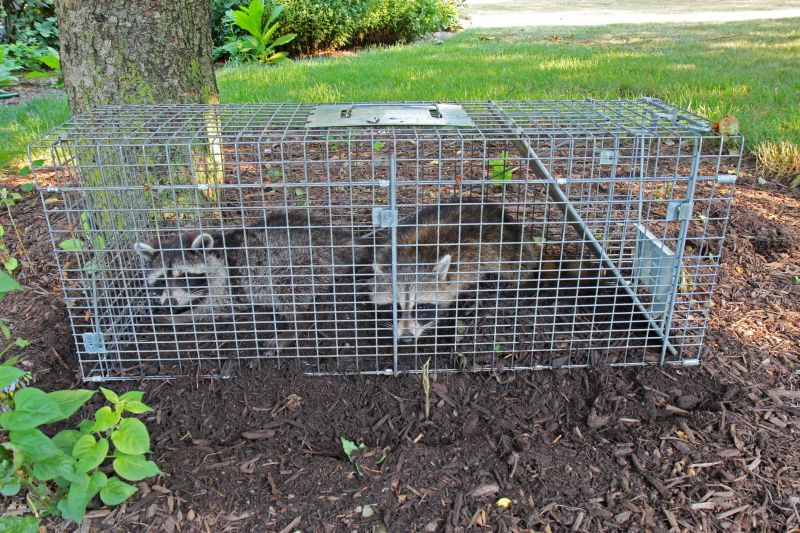
When evaluating service providers for preventing raccoon damage to roofs, attics, and siding, it’s important to consider their experience with similar projects. Homeowners should inquire about the types of raccoon-related issues the contractors have handled in the past and whether they have successfully addressed situations comparable to their own. A contractor’s familiarity with the specific challenges of raccoon prevention can be a strong indicator of their ability to deliver effective solutions. Additionally, seeking reputable references or reviews can provide insights into their track record and reliability, helping to ensure that the chosen service provider has a history of satisfying clients with similar needs.
Clear written expectations are essential when comparing local contractors for raccoon prevention services. Homeowners should look for providers who can offer detailed descriptions of the scope of work, including specific measures to prevent raccoon entry and damage. Transparent communication about what the project involves helps establish mutual understanding and minimizes potential misunderstandings. It’s also beneficial to clarify what the contractor will deliver in terms of inspection, repairs, or deterrents, ensuring that all parties are aligned on the desired outcomes before work begins.
Effective communication is a key factor in selecting a suitable service provider for raccoon removal and prevention. Homeowners should prioritize contractors who are responsive, willing to answer questions, and able to explain their approach in straightforward terms. Good communication fosters trust and makes it easier to address concerns or adjustments throughout the project. By choosing local contractors known for clear, professional dialogue, homeowners can feel more confident that the work will be carried out efficiently and in accordance with their expectations, ultimately helping to safeguard their homes from raccoon-related damage.
Property owners often search for preventing raccoon damage to roofs, attics, and siding when they are planning practical projects around their homes and businesses. Local pros provide Racoon Removal services for everyday jobs and straightforward project options.
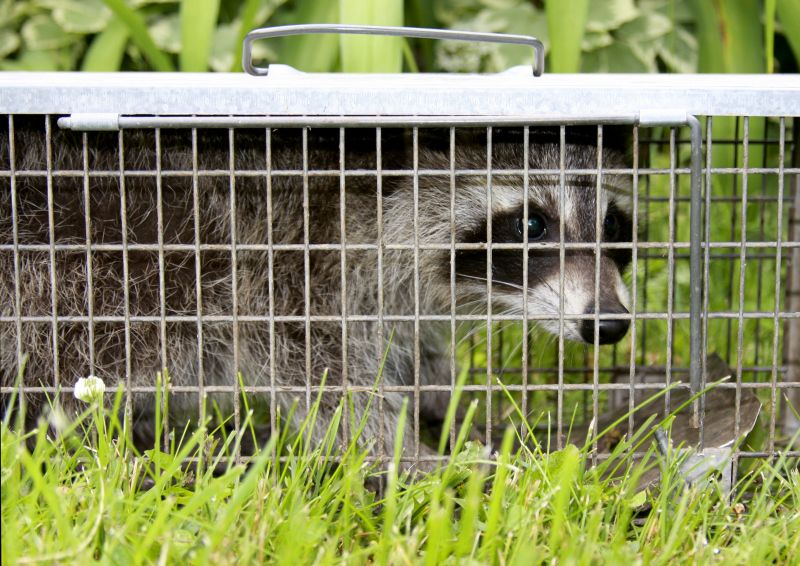
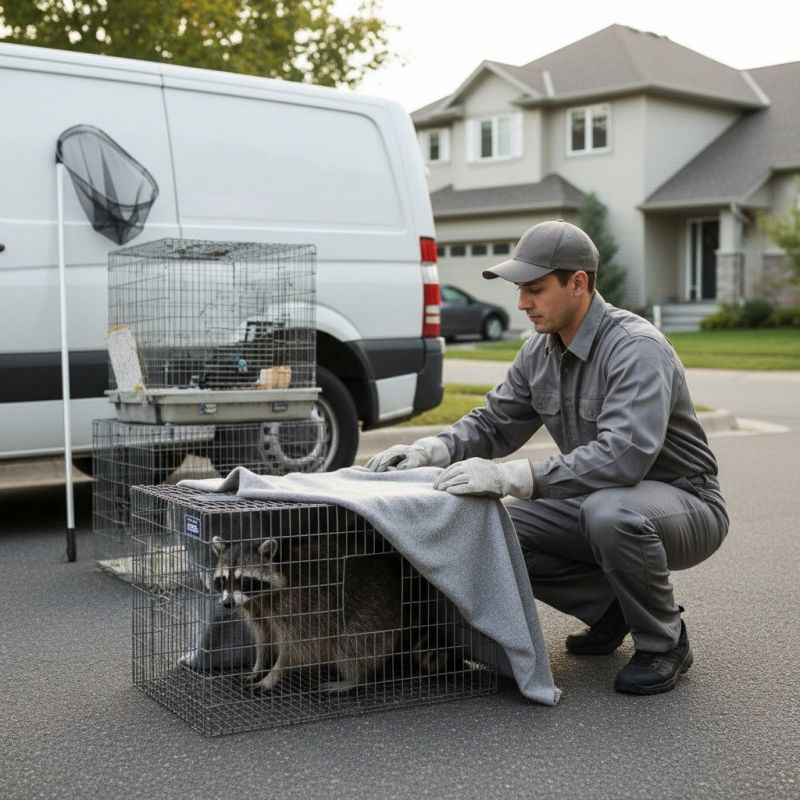
Homeowners in the area often look up information on preventing raccoon damage to roofs, attics, and siding after noticing signs of intrusion or damage. Raccoons are known to seek shelter in attics or crawl spaces, especially during colder months, which can lead to significant property damage and safety concerns. Simple preventative measures, such as sealing entry points and installing barriers, are common first steps. When these efforts prove insufficient or if raccoons have already gained access, property owners frequently turn to local contractors who specialize in raccoon removal services to safely and effectively address the issue.
Engaging with experienced service providers can help prevent ongoing damage and reduce the risk of raccoons returning. Local contractors can assess vulnerable areas, recommend appropriate exclusion techniques, and ensure that entry points are properly sealed. This proactive approach is especially important for those who want to protect their roofs, attics, and siding from future raccoon-related problems. Comparing different service options can help property owners find qualified professionals capable of handling raccoon removal and damage prevention efficiently.
How can I prevent raccoons from accessing my roof and attic? Local contractors recommend sealing entry points, installing raccoon-proof barriers, and trimming tree branches near the roof to reduce access and prevent raccoon damage to roofs, attics, and siding.
What are effective ways to deter raccoons from my property? Professionals suggest removing food sources, securing trash bins, and installing motion-activated lights or fencing to discourage raccoons from approaching and causing damage.
Can repairs help prevent raccoon damage to my home? Yes, experienced service providers can identify and repair existing vulnerabilities in roofing, siding, and attic vents to minimize the risk of raccoon intrusion and damage.
Are there specific materials that resist raccoon damage better? Local experts often recommend using durable, raccoon-resistant materials for siding and roofing, along with proper sealing, to make it harder for raccoons to cause damage.
How do professionals handle raccoon removal to prevent future damage? Service providers typically use humane trapping and exclusion techniques, combined with securing entry points, to safely remove raccoons and prevent recurring damage to roofs, attics, and siding.
Secure entry points - sealing gaps, vents, and chimneys can prevent raccoons from gaining access to roofs and attics, with local contractors providing effective sealing solutions.
Install deterrents - using motion-activated lights or noise devices can discourage raccoons from approaching siding and roof areas, and local service providers can recommend suitable deterrent options.
Trim tree branches - reducing nearby tree overhangs minimizes raccoon pathways onto roofs, and experienced pros can assist with proper trimming to enhance property safety.
Reinforce vulnerable areas - strengthening siding and roof edges with durable materials helps prevent damage caused by raccoon scratching or digging, with local contractors offering tailored reinforcement solutions.
If you are thinking about preventing raccoon damage to roofs, attics, and siding for a property, this guide is meant to help you understand this topic, the typical project types, and how different options might fit your plans.
When you are ready, you can use the quote form on this page to share a few details about your project. From there, local pros can review the basics and follow up with options that match what you have in mind.