How Raccoons Damage Attics and Rooflines - And Why Professional Removal Matters
People searching for raccoon damage repair typically want to restore their homes and prevent further harm, and local contractors can provide expert removal and damage restoration services.
If raccoons find their way into attics and along rooflines, they can cause significant property damage that may not be immediately obvious. Property owners in the area often discover chewed wiring, torn insulation, and structural disturbances that can lead to costly repairs if left unaddressed. Understanding how raccoons damage these parts of a home highlights the importance of prompt, professional removal to prevent further issues and protect the integrity of the building.
Engaging experienced local contractors for raccoon removal ensures that the problem is handled safely and effectively. These service providers can assess the extent of the damage, remove the animals humanely, and implement measures to prevent future intrusions. Exploring this topic can help property owners make informed decisions about safeguarding their homes and maintaining a secure, damage-free environment.
- Attic Damage Repair - Homeowners noticing raccoon entry or damage in their attics can rely on local contractors to assess and restore insulation, wiring, and structural elements.
- Roofline Restoration - When raccoons cause damage to roof edges or eaves, local service providers can repair and reinforce these areas to prevent future incursions.
- Raccoon Removal and Damage Prevention - Professionals can safely remove raccoons and implement barriers to protect attic and roofline spaces from repeated damage.
- Structural Reinforcement - If raccoon activity has compromised roof support or attic framing, local experts can reinforce and secure these structures effectively.
- Insulation Replacement - After raccoon damage, local pros can replace contaminated or chewed insulation to restore attic energy efficiency and safety.
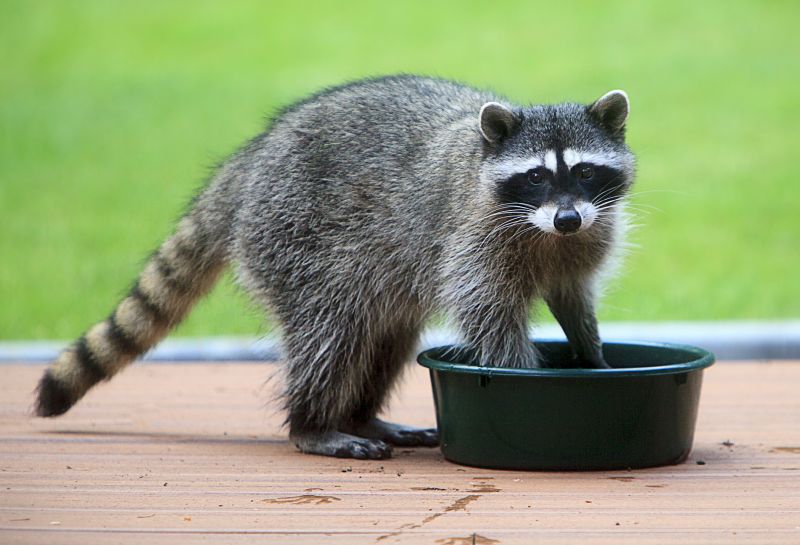
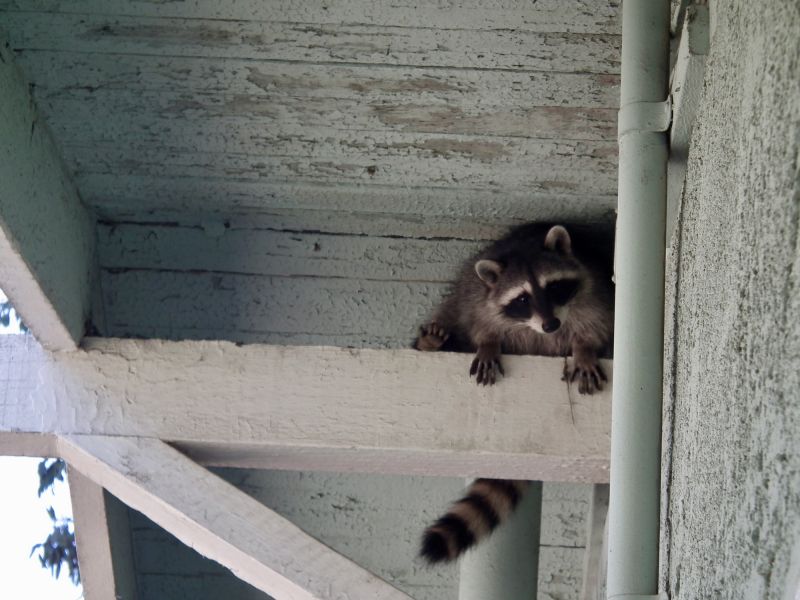
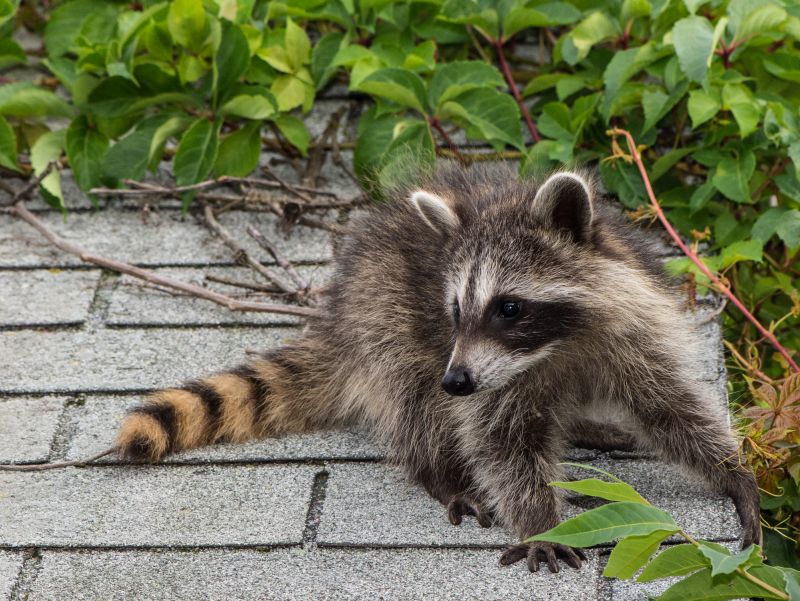
When homeowners search for information about how raccoons damage attics and rooflines - and why professional removal matters, they are typically concerned about the potential for raccoons to cause structural and property damage. Raccoons are known for their dexterity and curiosity, which often leads them to explore and invade attic spaces and rooflines. This search usually stems from noticing signs of raccoon activity, such as scratching noises at night, droppings near entry points, or damage to shingles and vents. Property owners want to understand the risks involved, including how raccoons can tear insulation, chew through wiring, and create entry points that allow other pests to enter. These issues can lead to costly repairs and even pose health risks due to the presence of parasites or accumulated waste.
The problems related to raccoon damage are often connected to ongoing attempts to protect or restore a property. Homeowners may be planning repairs after discovering raccoon entry, or they might be seeking preventative measures to avoid future invasions. The damage can be particularly severe on properties with accessible rooflines, such as those with missing shingles, loose vents, or poorly sealed eaves. Raccoons tend to target structures that provide easy access and shelter, which makes understanding how they damage attic and roofline areas crucial for effective prevention and repair. Many property owners also consider the safety and longevity of their home’s insulation and wiring, realizing that unresolved raccoon activity can lead to bigger issues down the line.
Properties most commonly affected by raccoon damage include single-family homes, especially those with older roofs or less secure attic vents. Attics with gaps, cracks, or poorly sealed entry points are prime targets for raccoons seeking shelter. Additionally, garages, sheds, and other outbuildings can also become battlegrounds for raccoon activity if they are not properly secured. Urban and suburban neighborhoods tend to see more frequent raccoon invasions due to the abundance of trees and accessible structures. For property owners, understanding the specific vulnerabilities of their property helps inform the decision to work with local service providers who specialize in raccoon removal and repair. These professionals can assess the extent of damage, identify entry points, and implement effective exclusion strategies to protect the property long-term.
When raccoons damage attics and rooflines, the consequences can extend beyond mere inconvenience. Structural damage to roofing materials, insulation, and electrical wiring can compromise the integrity of a home. Moreover, raccoon waste and nesting materials can create unsanitary conditions, attracting other pests and posing health risks. Property owners often seek out local contractors who are experienced in raccoon damage repair because these issues require specialized knowledge and techniques. Professional removal ensures that raccoons are safely and effectively excluded from the property, preventing further damage and reducing the risk of recurring invasions. Working with local service providers helps homeowners address these problems comprehensively, from initial removal to sealing entry points and restoring damaged areas for a safer, more secure home.
Attic Insulation Replacement - professionals can assess and repair insulation damaged by raccoons to restore energy efficiency and prevent further intrusion.
Roofline Repair Services - experts handle repairs to damaged fascia, soffits, and shingles caused by raccoon activity, ensuring structural integrity.
Wildlife Exclusion Projects - local contractors install barriers and one-way doors to prevent raccoons from re-entering attics and rooflines.
Gutter and Vent Repair - specialists address raccoon-induced damage to gutters and roof vents that can lead to water intrusion and attic issues.
Structural Damage Assessment - service providers evaluate and reinforce roof framing and attic structures compromised by raccoon activity.
Pest Removal and Cleanup - professionals safely remove raccoons and clean up droppings and nesting materials to reduce health risks and future damage.
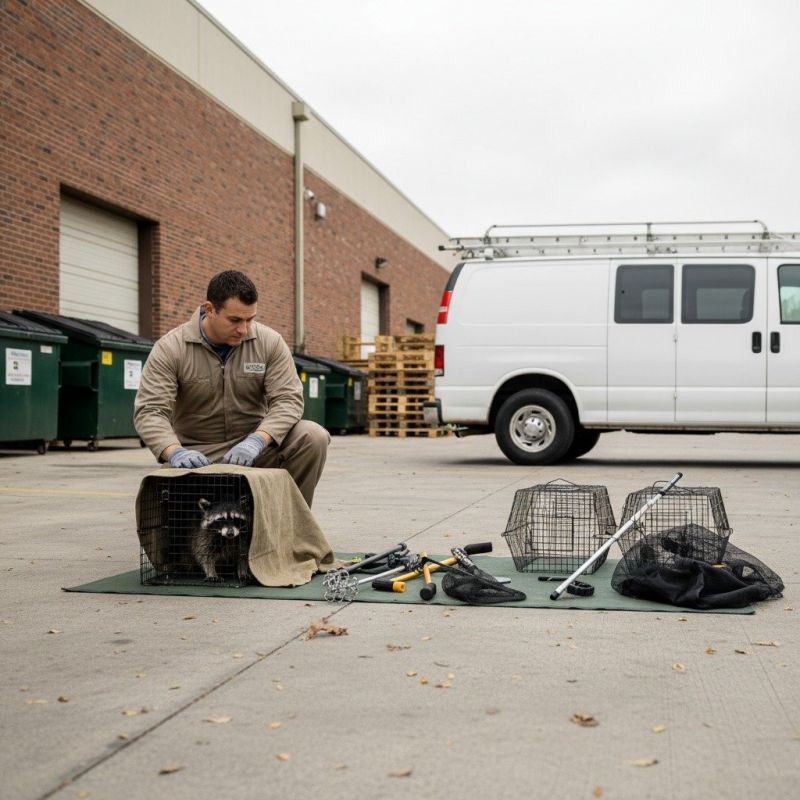
When evaluating service providers for raccoon damage repair, it’s important to consider their experience with similar projects. Homeowners should look for local contractors who have a proven track record of addressing raccoon-related issues, including damage to attics and rooflines. An experienced professional will understand the unique challenges of raccoon removal and damage repair, ensuring that the work is completed thoroughly and effectively. Checking references or reviews from previous clients can provide insight into their ability to handle these specific types of projects and deliver results that meet expectations.
Clear, written expectations are essential when comparing local pros for raccoon damage repair services. Homeowners should seek providers who can outline the scope of work, including inspection procedures, removal methods, and repair processes. Having detailed documentation helps prevent misunderstandings and ensures that both parties are aligned on what will be done. Service providers who communicate their process clearly and provide written estimates or plans can help homeowners make informed decisions and feel confident about the work being performed on their property.
Good communication and reputable references are key factors in selecting the right local contractor for raccoon damage repair. Reliable service providers are transparent about their methods, responsive to questions, and able to explain how they will address the specific damages caused by raccoons. References or testimonials from previous clients can serve as valuable indicators of a contractor’s professionalism and quality of work. Prioritizing these qualities can help homeowners find a trusted partner capable of effectively handling the complexities of raccoon damage repair, ensuring the safety and integrity of their home’s attic and roofline.
Property owners often search for how raccoons damage attics and rooflines - and why professional removal matters when they are planning practical projects around their homes and businesses. Local pros provide Raccoon Damage Repair services for everyday jobs and straightforward project options.
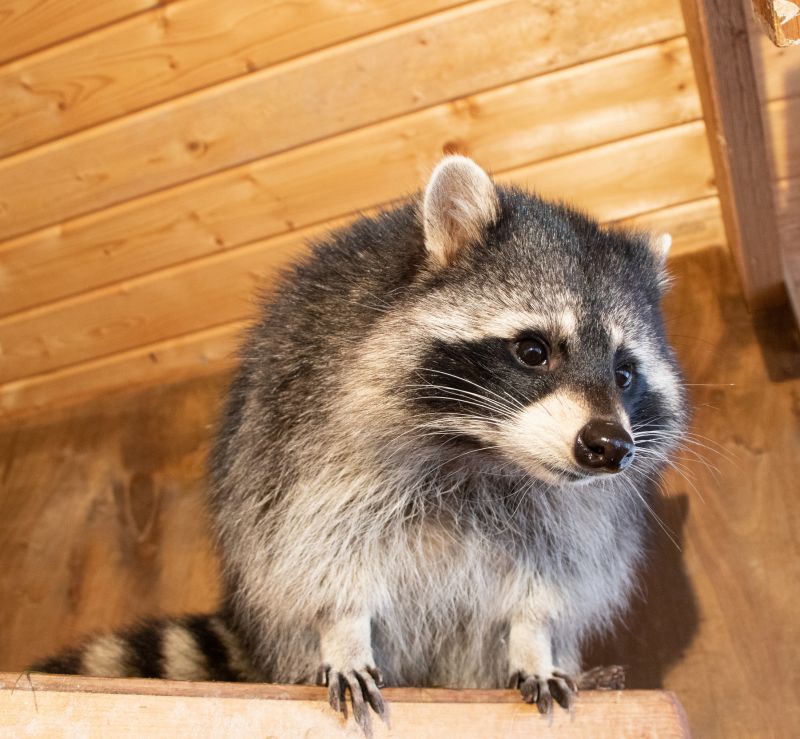
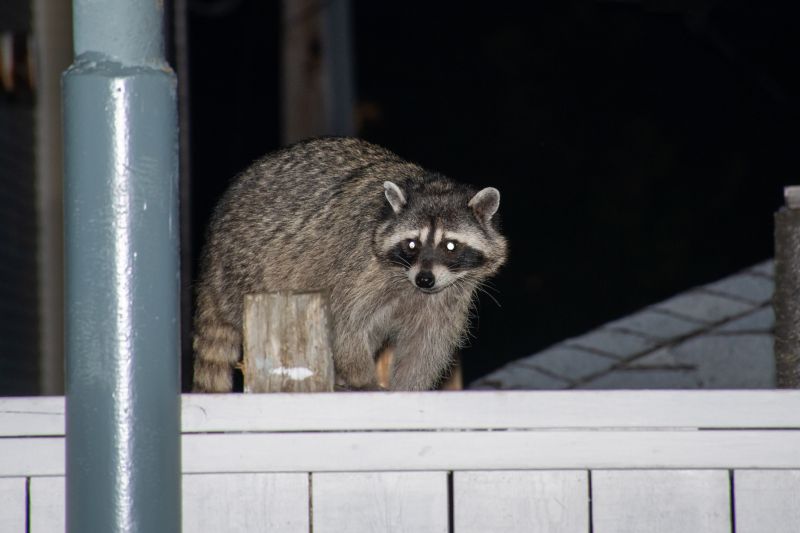
Raccoons often seek shelter in attics and along rooflines, especially during colder months or when they’re searching for nesting sites. Their entry points can be small gaps or damaged roof vents, which they exploit to gain access. Once inside, raccoons can cause significant damage by tearing insulation, nesting in stored items, and creating holes that compromise the roof’s integrity. Property owners noticing signs of raccoon activity-such as unusual noises, droppings, or chewed wires-may wonder how these animals are impacting their homes and why professional removal services are an important step to consider.
Engaging experienced local contractors for raccoon damage repair can help prevent further issues and restore the safety of a property. These professionals understand how raccoons damage attics and rooflines and are equipped to handle the removal safely and effectively. They can also identify and seal entry points to prevent future intrusions, ensuring the home remains protected. Property owners searching for reliable solutions often find that working with local service providers provides peace of mind and a thorough approach to raccoon damage repair.
How do raccoons typically damage attics and rooflines? Raccoons often cause damage by tearing insulation, gnawing on wood and wiring, and creating entry points through vents or damaged roof materials, which can lead to further structural issues.
Why is professional removal important for raccoon-related attic damage? Professional removal ensures that raccoons are safely and effectively removed, and that any entry points are properly sealed to prevent future infestations and further damage.
What kinds of repairs do local contractors perform after raccoon removal? They typically repair or replace damaged insulation, patch entry points, and restore roofline components to prevent raccoons from returning and to maintain structural integrity.
Can raccoon damage lead to safety hazards in the attic? Yes, raccoon damage can create hazards such as exposed wiring, weakened structures, and the presence of droppings, which can pose health and safety risks if not properly addressed by professionals.
How do professionals identify raccoon damage in attic and roofline areas? They conduct inspections to look for signs like shredded insulation, footprints, droppings, and damaged roofing materials, helping determine the extent of raccoon activity and necessary repairs.
Identify entry points - property owners can work with local contractors to locate and seal gaps or holes that raccoons use to access attics and rooflines.
Assess attic damage - professionals can evaluate the extent of raccoon-related damage inside the attic to determine necessary repairs and cleaning.
Implement exclusion methods - local pros can install humane barriers and one-way doors to prevent raccoons from re-entering the property.
Restore damaged structures - property owners can hire experts to repair or replace compromised rooflines and attic components affected by raccoon activity.
If you are thinking about how raccoons damage attics and rooflines - and why professional removal matters for a property, this guide is meant to help you understand this topic, the typical project types, and how different options might fit your plans.
When you are ready, you can use the quote form on this page to share a few details about your project. From there, local pros can review the basics and follow up with options that match what you have in mind.