
Essential Raccoon Trapping Products for Property Defense
Equip yourself with the key trapping tools that help protect your home and yard from raccoon intrusions.
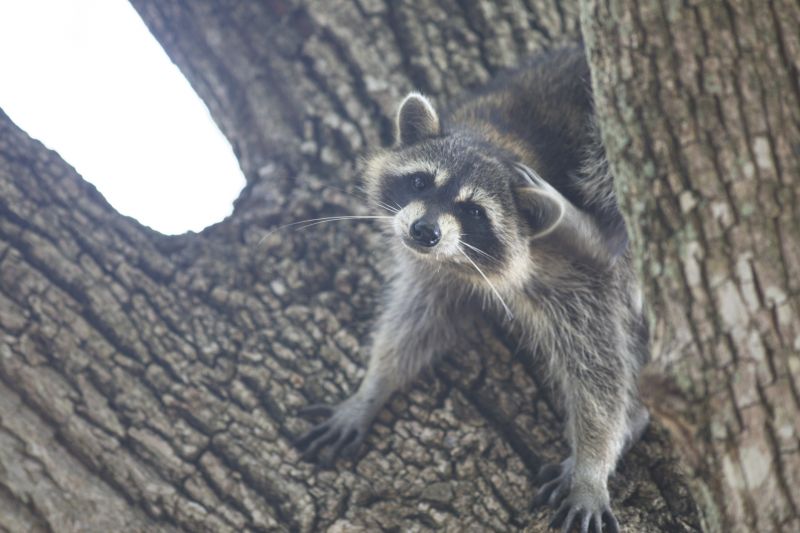 When managing raccoon activity around properties, selecting the right trapping products is essential for effective control. Raccoons are intelligent and adaptable creatures, often requiring a combination of humane trapping methods and appropriate baiting techniques. The variety of trapping devices available today caters to different situations, whether dealing with a single raccoon or a persistent infestation. Proper understanding of raccoon behavior and habitat preferences can enhance the success of trapping efforts, making it easier to address nuisance concerns safely and efficiently.
Types of Products For Raccoon Trappings
Live Cage Traps
Durable and humane traps designed for live capture, often made of sturdy wire with a spring-loaded door.
Drop-Through Traps
Traps that use a drop door mechanism to quickly and safely capture raccoons when triggered.
Tube Traps
Long, tunnel-like traps ideal for capturing raccoons moving through narrow pathways or crawl spaces.
Lethal Traps
Devices designed for humane euthanasia, typically used where trapping for removal is not permitted.
Repellent Devices
Electronic or chemical repellents that discourage raccoons from entering certain areas.
Motion-Activated Lights
Lighting devices that startle raccoons and deter them from approaching specific zones.
Sound Deterrents
Devices emitting high-frequency sounds to discourage raccoon activity.
Bait Stations
Secure containers for bait that attract raccoons while preventing access by non-target animals.
Trap Covers
Fabric or plastic covers to provide shelter and reduce stress for trapped raccoons.
Handling Tools
Tools such as gloves and tongs designed for safe handling of trapped animals.
Popular Choices
Widely used for safe and effective raccoon capture, suitable for various environments.
Traps capable of capturing multiple raccoons at once, useful for larger infestations.
Popular for their ease of use and non-lethal approach to raccoon deterrence.
Sprays that create a scent or taste barrier to keep raccoons away from specific areas.
Highly sensitive sensors that activate lights or sounds to scare raccoons away.
Reliable trigger mechanisms for various trap types, ensuring quick activation.
Popular for their use of strong scents to deter raccoons from entering areas.
Convenient, lightweight traps suitable for quick deployment and transport.
Physical barriers designed to block raccoon access to dens or crawl spaces.
Used to monitor raccoon activity and identify entry points for trapping or exclusion.
Effective raccoon trapping involves choosing devices that are both humane and suitable for the environment. Live traps are commonly used, allowing for the safe capture and relocation of animals where permitted by local regulations. It is important to select traps that are appropriately sized to prevent injury and to ensure the animal's comfort during capture. Additionally, baiting strategies play a crucial role; common attractants include sweet or protein-rich foods that appeal to raccoons' omnivorous diet.
Beyond traps and bait, supplementary products such as trap covers, handling tools, and safety gear can improve the trapping process. Proper placement of traps in areas with high raccoon activity, such as near water sources or den sites, increases the likelihood of success. Regular monitoring and quick response are key components of an effective trapping program, reducing the risk of raccoons causing damage or creating health concerns around homes and farms.
Key Buying Considerations
- Ensure the trap size is appropriate for raccoons to prevent injury and allow humane capture.
- Check whether the trap is designed for live capture or lethal use, depending on your approach.
- Look for durable construction materials that withstand outdoor conditions and frequent use.
- Consider ease of trap setup and bait placement to improve trapping success.
- Evaluate the safety features, such as secure latches and escape-proof doors.
- Determine if additional accessories like trap covers or handling tools are included or available.
- Research local regulations regarding trapping methods and animal handling to ensure compliance.
- Assess the trap's portability and whether it suits your specific environment or property size.
- Select appropriate bait options that appeal to raccoons, such as sweet or protein-rich foods.
- Think about post-capture procedures, including humane handling and relocation options if permitted.
- Consider the long-term effectiveness of deterrents or repellents to prevent re-entry.
- Review product warranties or guarantees for peace of mind and support.
- Compare customer reviews and ratings to gauge real-world performance.
- Evaluate the ease of cleaning and maintenance for repeated use.
- Determine if the product is suitable for use around pets and children, prioritizing safety.
This content contains affiliate links. We may earn a commission if you make a purchase through these links, at no additional cost to you.